
Anúncios
Credit cards have fundamentally transformed how we think about money, creating invisible psychological bridges between desire and purchase that profoundly affect our financial behavior.
Every swipe, tap, or click represents more than just a transaction—it’s a complex psychological event that influences our perception of value, triggers emotional responses, and shapes long-term financial patterns. Understanding the intricate relationship between credit cards and spending behavior is essential for anyone seeking financial wellness in today’s cashless economy.
The plastic card in your wallet isn’t merely a payment tool; it’s a powerful psychological instrument that fundamentally alters how your brain processes spending decisions. Researchers have discovered that the pain of paying—that uncomfortable feeling we experience when parting with money—diminishes significantly when using credit cards compared to cash.
💳 The Pain of Paying: Why Plastic Feels Different
When you hand over cash for a purchase, multiple sensory experiences occur simultaneously. You physically feel the money leaving your hands, see your wallet becoming lighter, and experience an immediate, tangible loss. This multisensory feedback creates what behavioral economists call the “pain of paying”—a psychological discomfort that naturally regulates spending.
Credit cards eliminate most of these sensory cues. The transaction becomes abstract, delayed, and disconnected from the emotional experience of loss. Studies using neuroimaging technology have revealed that different brain regions activate when paying with cash versus credit cards. The insula, a brain region associated with negative emotions and pain anticipation, shows reduced activity during credit card transactions.
This neurological difference has real-world consequences. Research consistently demonstrates that consumers spend 12-18% more when using credit cards instead of cash. The McDonald’s corporation discovered that their average transaction size increased by 47% when customers used credit cards rather than cash—a finding that prompted widespread adoption of card payment systems across the fast-food industry.
🧠 Psychological Distance and the Abstraction of Money
Credit cards create psychological distance between the pleasure of acquisition and the pain of payment. When you buy something with a credit card, you receive immediate gratification while deferring the financial consequences to an abstract future moment. This temporal separation disrupts the natural feedback loop that helps regulate spending.
Behavioral economists describe this phenomenon as “temporal discounting”—our tendency to value immediate rewards more highly than future costs. Credit cards exploit this cognitive bias by maximizing present pleasure while minimizing the salience of future payment obligations.
The statement arriving weeks after purchases further compounds this abstraction. By the time you review your credit card bill, the emotional connection to individual purchases has faded. That restaurant meal or online purchase no longer carries the same emotional weight, making it psychologically easier to rationalize the expense.
The Mental Accounting Trap
Credit cards also interfere with mental accounting—the internal system we use to categorize and track financial resources. When using cash, we naturally maintain mental budgets for different spending categories. Physical money creates clear boundaries: when your entertainment budget is depleted, you stop spending in that category.
Credit cards blur these boundaries. The available credit limit becomes the perceived budget rather than actual financial capacity. This shift in reference point leads to what researchers call “credit limit heuristic”—the tendency to use available credit as a spending guide rather than actual income or savings.
💰 The Reward System: When Spending Becomes Addictive
Credit card companies have masterfully designed reward programs that tap into the brain’s dopamine-driven reward system. Points, miles, cashback percentages, and exclusive benefits transform spending from a necessary evil into a seemingly beneficial activity.
Each purchase becomes a double reward: you acquire the desired product or service while simultaneously earning points or benefits. This dual reward structure creates positive reinforcement that encourages increased spending. Neuroscience research shows that earning rewards triggers dopamine release—the same neurotransmitter associated with pleasure, motivation, and addiction.
The gamification of spending through tiered rewards, bonus categories, and limited-time multipliers further intensifies this effect. Consumers often make purchasing decisions based on reward optimization rather than actual need or value, a phenomenon called “reward-seeking behavior.”
The Sunk Cost Fallacy in Annual Fees
Premium credit cards with annual fees introduce another psychological dynamic: the sunk cost fallacy. Once someone pays a $95, $450, or even $695 annual fee, they feel compelled to “get their money’s worth” by using the card frequently and pursuing rewards aggressively.
This psychological commitment often leads to increased spending that far exceeds the value of rewards earned. Research indicates that consumers with premium reward cards spend approximately 25% more annually than those with no-fee alternatives, often justifying unnecessary purchases as “earning rewards efficiently.”
📊 The Spending Multiplier Effect
Credit cards don’t just increase individual transaction sizes—they multiply spending opportunities throughout daily life. The convenience and universal acceptance of credit cards reduce friction at every purchasing decision point.
| Payment Method | Average Transaction Value | Purchase Frequency | Monthly Spending |
|---|---|---|---|
| Cash Only | $23 | 12 transactions | $276 |
| Debit Card | $31 | 18 transactions | $558 |
| Credit Card | $38 | 24 transactions | $912 |
This table illustrates how credit cards influence both transaction size and frequency, creating a compounding effect on total spending. The convenience factor removes natural spending barriers, while the delayed payment mechanism eliminates immediate budget constraints.
🎯 Strategic Manipulation: How Card Design Influences Behavior
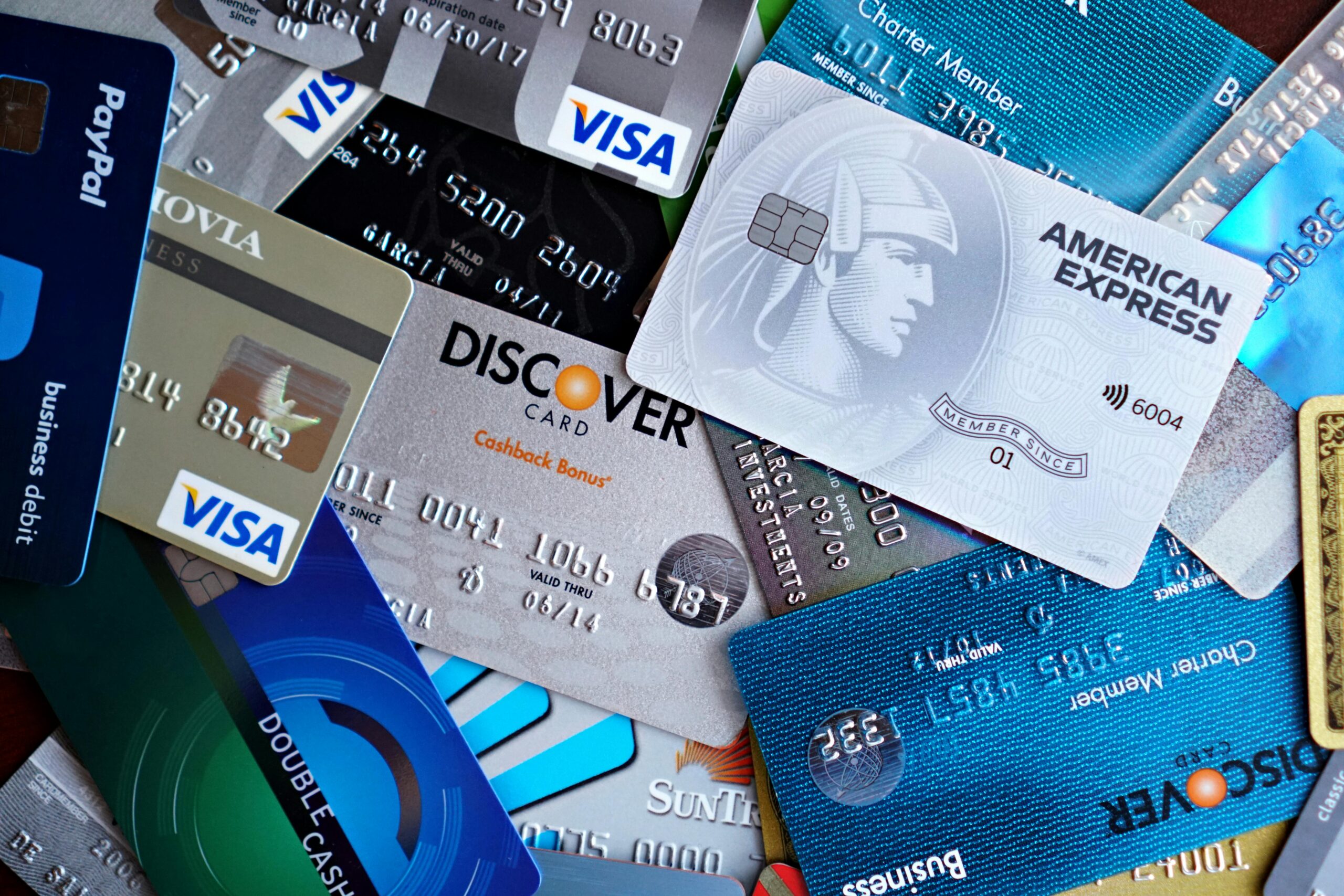
Credit card issuers employ sophisticated psychological strategies in card design, marketing, and user experience. Premium metal cards, for example, aren’t just status symbols—they’re psychological tools that create positive associations with spending.
The weight, sound, and tactile experience of premium cards trigger feelings of success, prestige, and financial capability. These positive emotions become associated with the spending act itself, creating a conditioned response that encourages card usage and diminishes spending hesitation.
Color psychology plays a significant role too. Black cards signal exclusivity and luxury, potentially encouraging higher-value purchases. Blue cards evoke trust and stability, while gold and platinum convey success and achievement. These subtle visual cues influence subconscious associations with spending behavior.
Digital Wallets and the Invisible Transaction
The evolution from physical credit cards to digital wallets and contactless payments has further abstracted the spending experience. A simple tap or facial recognition completes transactions in seconds, eliminating even the minor friction of card insertion or signature.
This frictionless experience represents the ultimate abstraction of money. Spending becomes nearly thoughtless—a seamless background process rather than a deliberate financial decision. Studies on contactless payment adoption show a 23-32% increase in transaction frequency as the payment process becomes increasingly invisible.
🔍 Social Comparison and Status Signaling
Credit cards function as social signaling devices that influence spending through comparison and status demonstration. The card you use communicates financial status, lifestyle aspirations, and social positioning—often subconsciously affecting both the cardholder and observers.
This social dimension creates pressure to maintain certain spending patterns. Premium cardholders may feel obligated to make purchases that align with their card’s prestige level, even when such spending exceeds rational budgets. The desire to avoid social embarrassment or maintain perceived status drives irrational financial decisions.
Restaurant studies have documented this phenomenon clearly. Diners using premium credit cards tip an average of 14% more than those using standard cards, even when service quality is identical. The card itself primes generosity and status-appropriate behavior, regardless of actual financial circumstances.
⚖️ Breaking Free: Strategies for Mindful Credit Card Use
Understanding these psychological mechanisms is the first step toward healthier financial decision-making. Awareness alone doesn’t eliminate these influences, but it creates opportunities for intentional intervention and behavior modification.
Implementing spending awareness systems can counteract credit card psychology. Apps that provide real-time spending notifications, categorize transactions automatically, and visualize budget impact help restore the immediate feedback that credit cards eliminate.
Creating artificial friction in the spending process helps too. Some people freeze their credit cards in ice blocks—literally—requiring deliberate thawing before use. While extreme, this technique effectively introduces delay between impulse and action, allowing rational decision-making to override emotional spending urges.
The Envelope System Reimagined
Traditional cash envelope budgeting can be adapted for credit card users. Assign specific spending limits to categories and track credit card purchases against these allocations daily. When a category is exhausted, stop spending in that area regardless of available credit.
Several digital tools replicate envelope budgeting principles for credit card users, creating virtual boundaries that restore the natural limits that cash provides. These systems send alerts, block transactions, or require additional authentication when category limits approach, reintroducing healthy spending friction.
🎓 Financial Education and Long-Term Behavior Change
The relationship between credit cards and spending behavior highlights broader issues in financial literacy. Most people lack formal education about behavioral economics, cognitive biases, and the psychological dimensions of money management.
Understanding concepts like loss aversion, anchoring effects, mental accounting, and temporal discounting provides immunity against manipulation. When you recognize the psychological tactics at play, you can develop counter-strategies that align spending with genuine values and long-term goals.
Teaching children about these dynamics before they receive their first credit card creates important protective factors. Experiential learning—allowing controlled practice with spending decisions and experiencing natural consequences—builds financial resilience that serves lifelong financial health.
The Role of Environmental Design
Your financial environment significantly influences credit card behavior. Removing stored payment information from online retailers, unsubscribing from promotional emails, and reducing exposure to targeted advertising all decrease spending temptations that exploit credit card psychology.
Physical environment matters too. Leaving credit cards at home during vulnerable moments—grocery shopping when hungry, browsing shopping districts when bored, or social outings when feeling competitive—removes temptation at critical decision points.
💡 Reclaiming Financial Autonomy in a Cashless World
The trend toward cashless transactions continues accelerating, making credit card psychology increasingly relevant to financial wellbeing. Rather than rejecting credit cards entirely—an impractical approach in modern economies—the goal is developing mindful relationships with these powerful tools.
This requires ongoing self-reflection about spending motivations. Before each purchase, ask: “Would I buy this with cash?” This simple question reactivates the pain of paying that credit cards suppress, helping distinguish genuine needs from impulse desires or status-driven consumption.
Regular financial reviews create accountability and awareness. Weekly check-ins with spending patterns, monthly budget reconciliation, and quarterly financial goal assessments maintain connection between daily decisions and long-term objectives. These practices counteract the abstraction and temporal distance that credit cards create.
🌟 Building a Healthier Money Mindset
Ultimately, managing credit card influence requires cultivating a healthier overall relationship with money. This means developing clear values about consumption, recognizing emotional spending triggers, and building alternative sources of satisfaction beyond material acquisition.
Credit cards amplify existing money mindsets—both healthy and unhealthy. Someone with solid financial values and clear goals can use credit cards as convenient tools while maintaining discipline. Someone lacking financial clarity becomes vulnerable to the psychological mechanisms that encourage overspending.
The key differentiator is intentionality. When spending aligns with conscious values rather than subconscious triggers, credit cards become neutral instruments rather than behavioral manipulators. This shift requires continuous practice, regular self-assessment, and willingness to implement systems that support better decision-making.
By understanding how credit cards influence the mind of money, you reclaim agency over financial decisions. The psychological mechanisms remain, but awareness transforms you from unconscious participant to informed decision-maker, capable of choosing spending patterns that genuinely serve your long-term wellbeing and authentic life goals.
